



Our Expertise
At MODIA, living well isn't about how much we spend on the things we enjoy...
it's about how much we actually enjoy them.
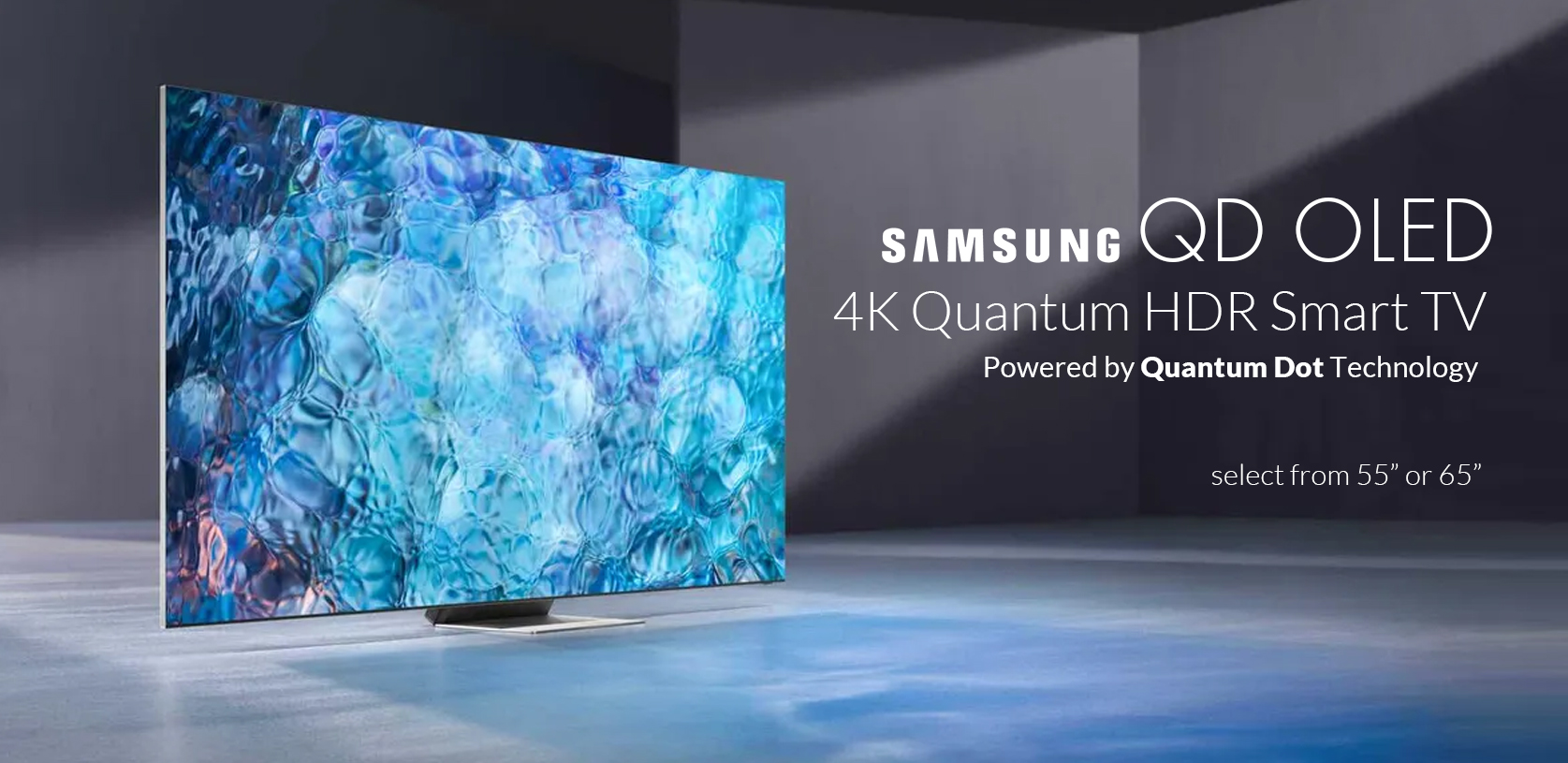
From a simple flat panel installation above the fireplace to a fully integrated Home Automation or Media Room Systems,
MODIA's team members are experts at individually tailoring the right system to your unique requirements.


ONE TOUCH CONTROL
MOVIE WATCHING
Sit down, have a drink, and press a button to view the diverse menu of new movies or an old favorite.
SECURITY
We ensure that the latest standards, protocols and settings are done correctly and your network is secure
THERMOSTAT
Our systems coordinate multiple thermostats and sense your presence to ensure your comfort.
INTERNET ACCESS
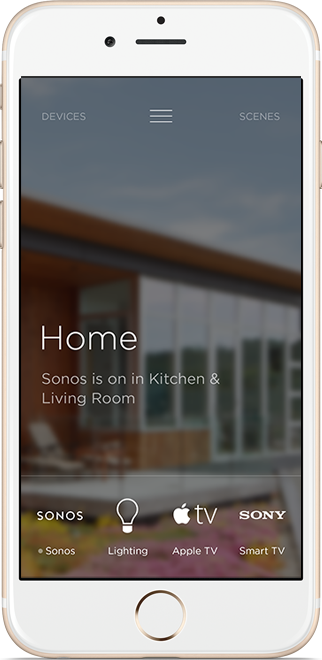
Your mobile phone becomes a command center connected to your home systems where everything can be watched and controlled.
LIGHTING
Setting many diverse lighting schemes matches your needs whatever time of day.
MUSIC
Surround sound lets you feel the music like never before and it is easy to turn on your individual selection for whatever mood suits you and your guests..
AUTOMATION
Control your home from any smart device. Enjoy the convenience of turning your house into a smart home with the ability to manage automated devices from anywhere with just one app on your smartphone or tablet.


PRIVACY SHADES
With a touch of button, you can let your blinds and shading look after themselves – opening, closing and adjusting depending on the time of day and the temperature. Integrate them into your smart home.
surveillance
Keep a watchful eye around your home or business,even when you're away. Automate your home security and surveillance, creating a total security system by integrating security features such as alarms and CCTV surveillance cameras.


BOARDROOMS
Our solutions range from a simple boardroom with a projector and conference phone to a large executive conference room with integrated audio, video, displays and control systems. Our team of dedicated experts consults, designs, integrates and maintains the technology solution that’s not only right, but ideal for you.
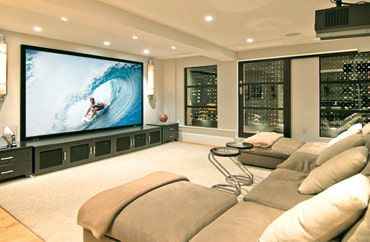
Media Room Design & Buildout
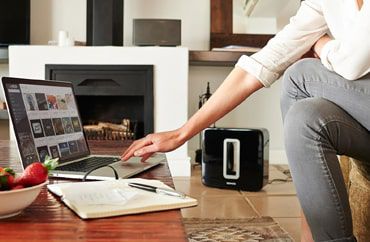
Whole house music
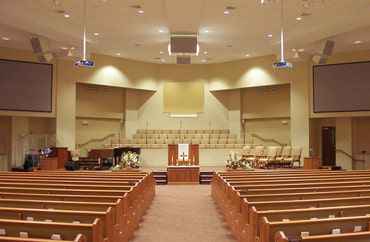
Acoustical treatment
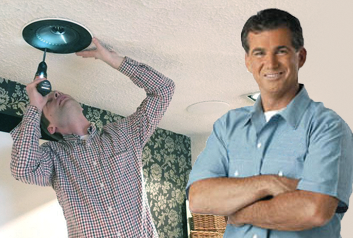
At MODIA we have the people who will not only listen to your dreams, but turn them into a digital reality, no matter the size of your place or space.
Schedule a free in-home consultation today!
SEARCH YOUR PRODUCTS HERE


OUR WORK
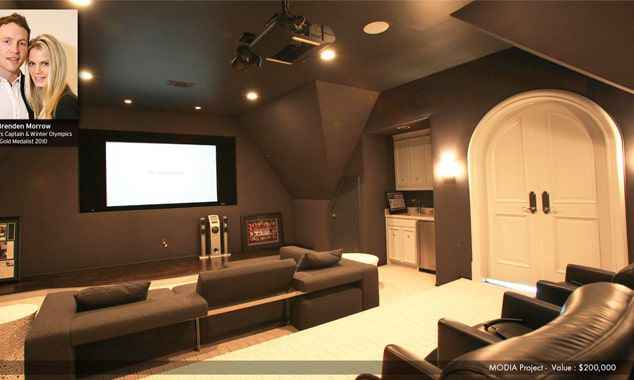
Brendan Morrow
NHL Player - Tampa Bay Lightning
Winter Olympics Gold Medalist 2010
“MODIA and its sister company Mody & Mody together deliver unmatched luxurious experience. I truly admire these two companies complementary services in interior design and custom installation. I highly recommend their products and their installation work”.
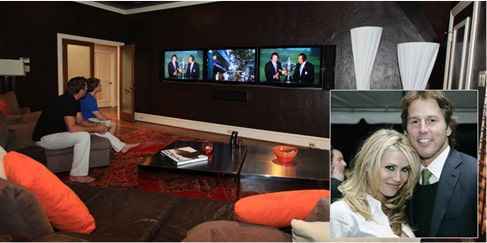

Mike Modano
NHL Legend & his wife Willa Ford
Hollywood Actress and Singer.
“I wanted a video wall, each playing something different, so MODIA set me up with three panels in my game room with B&W and Rotel audio system.”.